
Did you know that the global furniture market is projected to surpass $750 billion by 2025, with beds being one of the fastest-growing categories? This surge is driven by shifting consumer preferences toward modern and contemporary designs that combine aesthetics and functionality. For businesses in interior design, retail, or hospitality, staying ahead of these trends is crucial to capturing market share.
Modern Beds: A Snapshot of Market Trends and Consumer Preferences
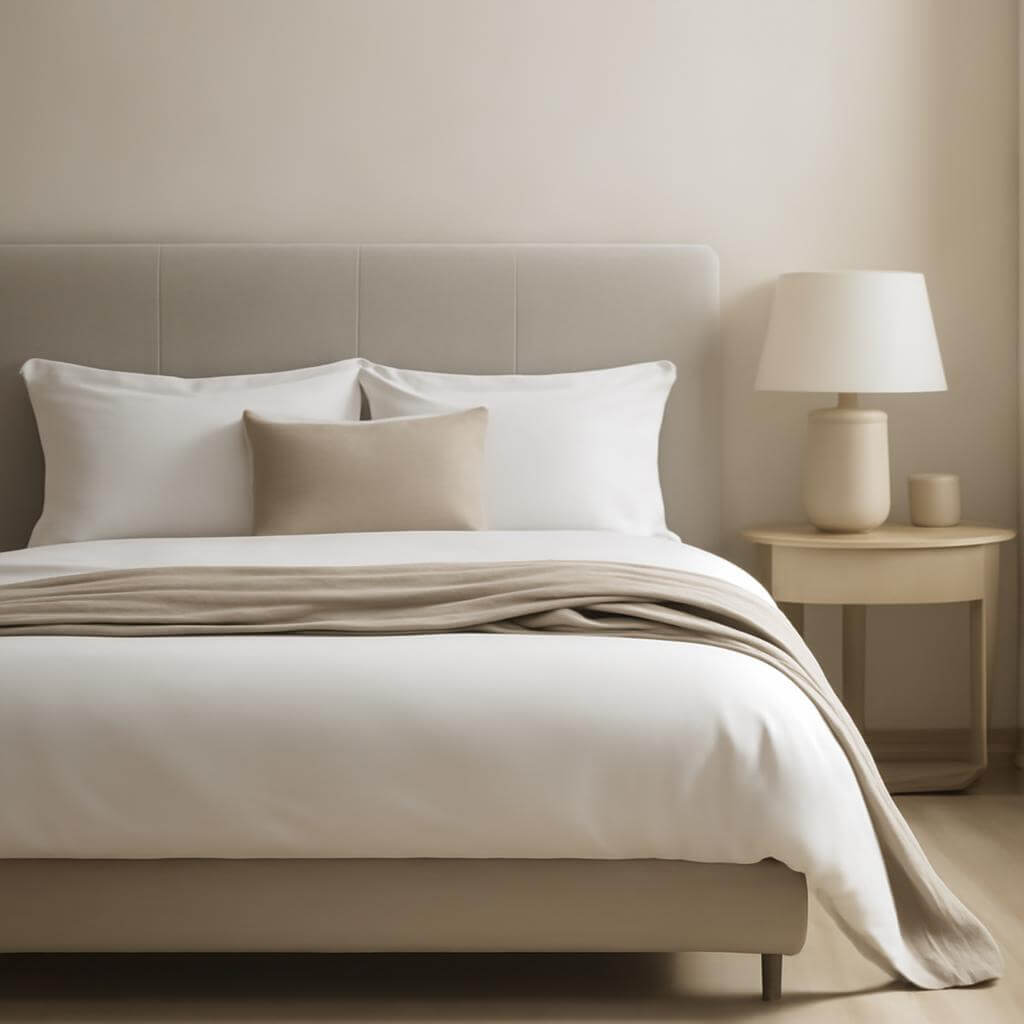
The bed category has evolved significantly, reflecting broader design trends in furniture. Industry data from Statista indicates that modern and contemporary furniture styles account for over 60% of sales in urban markets globally. Materials like Greige Oak and Camel Velvet have emerged as favorites, thanks to their versatility and sleek appeal. Meanwhile, neutral tones such as alabaster and charcoal continue to dominate consumer choices for creating calming bedroom environments (Euromonitor, 2024).
For B2B buyers, understanding these trends means tapping into both style and function. Beds designed with integrated storage solutions or upholstered headboards cater to space-conscious consumers, while eco-friendly options appeal to the growing demand for sustainable products.
Expert Insights: Designing Beds That Resonate
“The perfect bed doesn’t just meet functional needs; it tells a story,” says Dr. Emily Winters, a design strategist specializing in furniture trends. She explains how the interplay of materials and minimalistic designs can transform a simple bed into an aspirational centerpiece. “Retailers and hoteliers who integrate trending styles such as curved headboards or layered textures will find greater resonance with today’s customers.”
Additionally, Nielsen data reveals that beds with adjustable frames have seen a 35% increase in demand in the past two years. This aligns perfectly with the needs of hospitality clients seeking ergonomic solutions for guest comfort. For B2B buyers, partnering with manufacturers like 7STAR ensures access to cutting-edge designs with FDA-approved materials and factory-direct pricing.
Industry Standards and Best Practices for Selecting Beds
When sourcing beds for commercial use, compliance with key regulatory standards is essential. For instance, ISO 22716 certification ensures proper manufacturing practices for upholstered furniture, while CPNP compliance is critical for products distributed within the EU.
High-quality materials such as hypoallergenic fabrics and memory foam mattresses not only enhance product durability but also cater to health-conscious consumers. B2B buyers can also benefit from manufacturers that offer customizations, such as 7STAR, whose 5000+ proven formulations include options tailored to hospitality or retail settings.
Implementation Guide: Success Metrics for B2B Buyers
How do B2B buyers measure the success of their bed investments? One key metric is repeat purchase rates; a study by McKinsey found that 70% of consumers prioritize quality over price when selecting beds. Offering products with premium features, such as integrated USB ports or adjustable bases, can help retailers and hospitality providers secure customer loyalty.
Another success factor is aesthetics. Beds that align with broader interior design trends—such as natural wood finishes or monochromatic upholstered designs—are more likely to drive sales. Real-world examples from 7STAR clients show that incorporating these features has boosted their annual revenues by up to 25%.
Future Outlook: Strategic Recommendations for B2B Buyers
Looking ahead, market projections show continued growth in demand for smart beds equipped with IoT features. By 2030, such beds are expected to account for 15% of the global bed market. Businesses can prepare by partnering with forward-thinking manufacturers like 7STAR, whose innovative designs cater to evolving consumer needs.
To stay competitive, B2B buyers should also explore omni-channel strategies for promoting their bed products. Subtle yet impactful marketing campaigns that emphasize both design and functionality are key to capturing customer interest in the crowded furniture market.
Frequently Asked Questions
Is an adjustable bed good after hip surgery?
An adjustable bed can be highly beneficial for recovery after hip surgery. It allows users to elevate specific parts of the body, reducing pressure on the hip and improving blood circulation. According to medical experts, adjustable beds can enhance comfort and aid in faster healing. For businesses catering to healthcare facilities, investing in high-quality adjustable beds can meet patient needs effectively.
What is the best bed for rheumatoid arthritis?
Beds designed with memory foam or latex mattresses are often recommended for individuals with rheumatoid arthritis, as these materials provide optimal support and reduce joint pressure. Additionally, adjustable beds can further improve comfort by allowing users to customize sleeping positions. Nielsen data shows a growing demand for ergonomic bed solutions, making them an excellent choice for health-focused product lines.
Do two singles make a king?
Yes, two single mattresses placed together can form the approximate dimensions of a king-size bed. However, using a king-size mattress topper or connector can eliminate gaps and create a seamless sleeping experience. Offering versatile solutions like split king beds can appeal to both individual and couple customers in the retail market.
Is bed short for anything?
Historically, “bed” is derived from the Old English word “bedd,” which referred to a sleeping surface. While the term itself isn’t an abbreviation, it has evolved to encompass a variety of sleeping systems, including frames, mattresses, and headboards. For B2B buyers, understanding the cultural significance of beds can inform marketing strategies.
What is the difference between a twin bed and a full bed?
A twin bed typically measures 38 inches wide and 75 inches long, while a full bed provides more width at 54 inches but retains the same length. Full beds are ideal for single sleepers who require extra space, while twin beds are commonly used in guest rooms or children’s bedrooms. Offering both options in your product line ensures you cater to diverse consumer needs.
What are the latest trends in bed design?
Trending designs in beds include upholstered frames with tufted headboards, integrated storage solutions, and eco-friendly materials like bamboo. For businesses ready to capitalize on these trends, partnering with manufacturers like 7STAR ensures access to cutting-edge bed designs backed by certifications like GMP and ISO 22716.