
Did you know that over 70% of burglars gain entry through doors, according to a recent study by Consumer Reports? This startling statistic highlights the importance of selecting the right door lock to secure your property. With so many options available, it can be overwhelming to navigate the world of locks—but this guide will simplify the process.
Understanding the Door Lock Market: Key Data and Trends
The global door lock market is expected to grow at a compound annual growth rate (CAGR) of 5.2% from 2023 to 2030, driven by increasing concerns about home security and technological advancements in smart locks (Grand View Research, 2024). Residential locks account for 40% of the market, with deadbolts being the most popular choice due to their superior security features.
Statista reports that smart locks are projected to make up 20% of all door lock sales by 2025, as consumers prioritize convenience and integration with smart home systems. Meanwhile, traditional mechanical locks remain dominant in high-security applications, such as commercial buildings and government facilities.
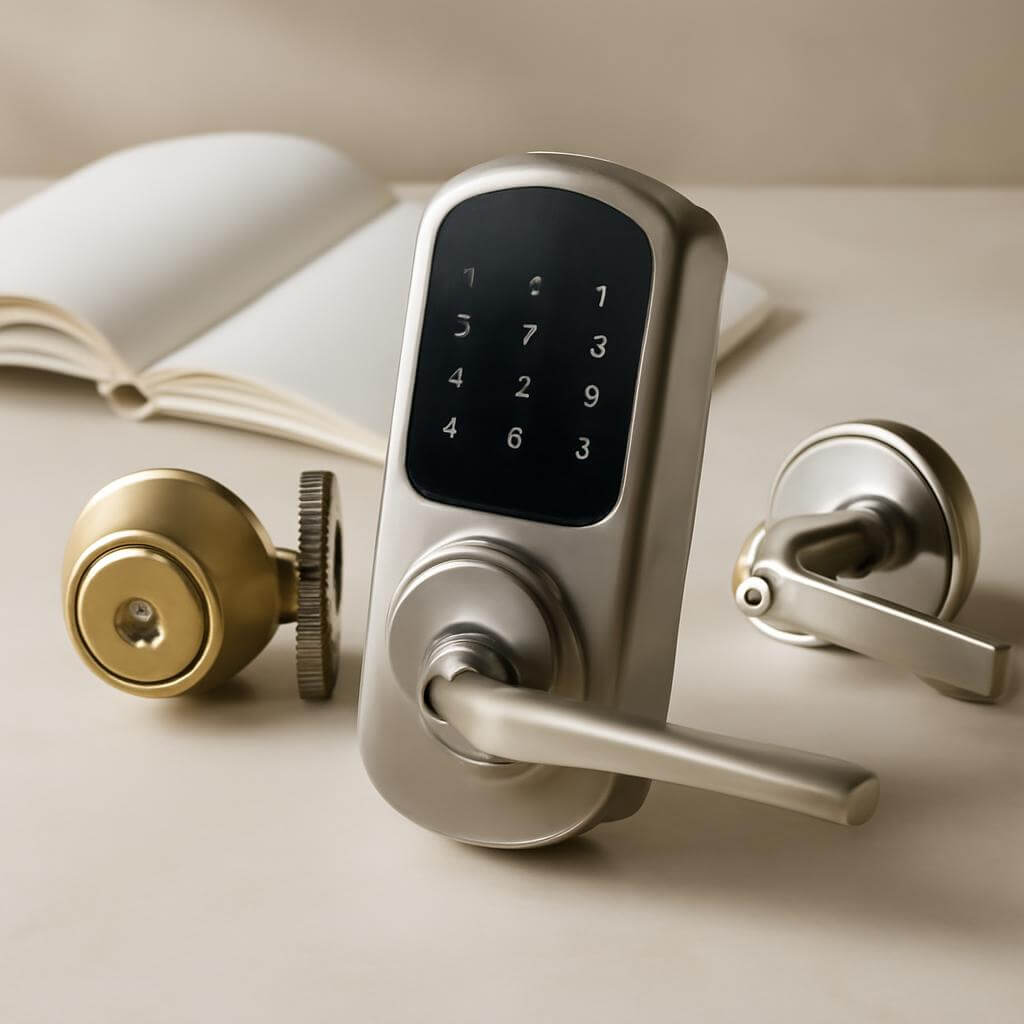
Types of Door Locks: Insights from Industry Experts
Choosing the right lock starts with understanding the different types available. Here are four common categories:
- Deadbolts: Highly secure and widely used for exterior doors.
- Knob Locks: Common in interior applications but less secure.
- Lever Handle Locks: Ideal for commercial buildings due to their ergonomic design.
- Smart Locks: Feature keyless entry and remote control capabilities, offering convenience and enhanced security.
According to Michael Carter, a security consultant with 15+ years of experience, “Deadbolts are your best bet for residential security. Pairing them with a smart lock can add convenience without compromising safety.”
Additionally, consider locks certified by ANSI/BHMA standards, which ensure durability and reliability. Grade 1 locks offer the highest level of security.
Industry Standards and Best Practices for Door Lock Selection
When evaluating locks, it’s essential to consider regulatory standards and certifications. Locks adhering to ANSI/BHMA Grade 1 standards provide maximum security, while Grade 2 and Grade 3 are suitable for light-duty residential use. Look for locks made from hardened steel or brass for durability.
Smart locks should comply with cybersecurity standards to protect against hacking. For instance, UL 2900 certification ensures robust digital security measures. Additionally, opt for locks with warranties that cover manufacturing defects, typically ranging from 5 to 25 years.
Brands like Schlage and Kwikset are industry leaders in combining traditional mechanical locks with smart technology. If you’re looking for factory-direct pricing and customized solutions, partnering with manufacturers like 7STAR ensures access to high-quality locks backed by certifications like ISO 9001 and ANSI/BHMA.
Implementation Guide: How to Choose and Install the Right Lock
Here’s a step-by-step approach to choosing and installing the perfect lock:
- Determine your needs: Do you require a lock for a front door, interior door, or commercial application?
- Evaluate security requirements: High-traffic areas may need Grade 1 locks, while bedrooms can use Grade 2 locks.
- Consider additional features: Smart locks offer keyless entry, remote access, and integration with security systems.
- Choose a reliable brand: Schlage and Kwikset offer diverse options, while manufacturers like 7STAR provide customized solutions.
- Ensure professional installation: Improper installation can compromise security. Hire a certified locksmith for best results.
Success metrics include reduced instances of unauthorized entry and enhanced user convenience. For businesses, investing in high-security locks can lead to lower insurance premiums and improved customer trust.
Future Outlook and Strategic Recommendations
The door lock industry is poised for significant innovation, with smart locks projected to dominate the market. Voice-activated locks and biometric authentication are emerging trends to watch, offering unparalleled convenience and security.
To stay ahead, businesses should prioritize partnerships with manufacturers that offer cutting-edge technology and certifications. For example, 7STAR combines FDA-approved manufacturing with advanced lock designs to meet the needs of modern consumers.
Whether you’re a homeowner or business owner, investing in high-quality locks is essential for peace of mind and long-term security.
Frequently Asked Questions
What type of door lock is most secure?
Deadbolts are considered the most secure type of door lock for residential use. ANSI/BHMA Grade 1 deadbolts offer maximum protection, often made from hardened steel and featuring anti-pick and anti-drill mechanisms. For enhanced security, pair deadbolts with smart locks that allow remote monitoring and control. Always ensure proper installation to prevent vulnerabilities.
What are the 4 types of door locks?
The four main types of door locks are:
- Deadbolts: Most secure, ideal for exterior doors.
- Knob Locks: Common for interior doors but less secure.
- Lever Handle Locks: Convenient for commercial spaces.
- Smart Locks: Provide keyless entry and remote access.
Each type serves different purposes, so choose based on your specific needs.
Is Kwikset or Schlage better?
Both Kwikset and Schlage are leading brands with distinct advantages. Kwikset focuses on affordability and ease of use, while Schlage emphasizes higher security and durability. Schlage’s ANSI/BHMA Grade 1 locks are particularly robust, making them ideal for high-security applications. Kwikset’s smart locks are user-friendly and integrate seamlessly with home automation systems.
What locks do police recommend for doors?
Police often recommend Grade 1 deadbolts for exterior doors due to their high resistance to forced entry. Brands like Schlage and Medeco are frequently endorsed for their durability and advanced security features. Pairing deadbolts with smart locks can further enhance security, allowing remote access and monitoring.
What is the best door lock buying guide?
The best buying guide includes information on types of locks, ANSI/BHMA certifications, material durability, and additional features like smart technology. For customized solutions, manufacturers like 7STAR offer tailored options backed by industry certifications and competitive pricing.
What are the different types of door locks and their names?
The most common types of locks include:
- Deadbolts: Single-cylinder and double-cylinder options.
- Knob Locks: Often used for interior doors.
- Lever Handle Locks: Ergonomic and ideal for commercial spaces.
- Smart Locks: Offer digital keypads and remote access.
Understanding these categories can help you choose the right lock for your needs.