
Did you know that the global smart lock market is projected to reach $5.3 billion by 2026, growing at a CAGR of 18.2%? This surge highlights how the demand for convenience and connected living is transforming the home security landscape. For businesses in the smart home and security sectors, understanding the latest trends and innovations in smart locks can help position their offerings more effectively in this booming market.
Understanding the Smart Lock Market: Trends and Key Insights
The smart lock industry is evolving rapidly, driven by consumer demand for security, convenience, and seamless integration with smart home ecosystems. According to a recent report by Statista, over 40% of households in the U.S. are expected to adopt smart home devices by 2026, with smart locks being one of the most sought-after security products. This growth is fueled by advancements in connectivity technologies such as Bluetooth, Wi-Fi, and Zigbee, which allow for better device compatibility and user control.
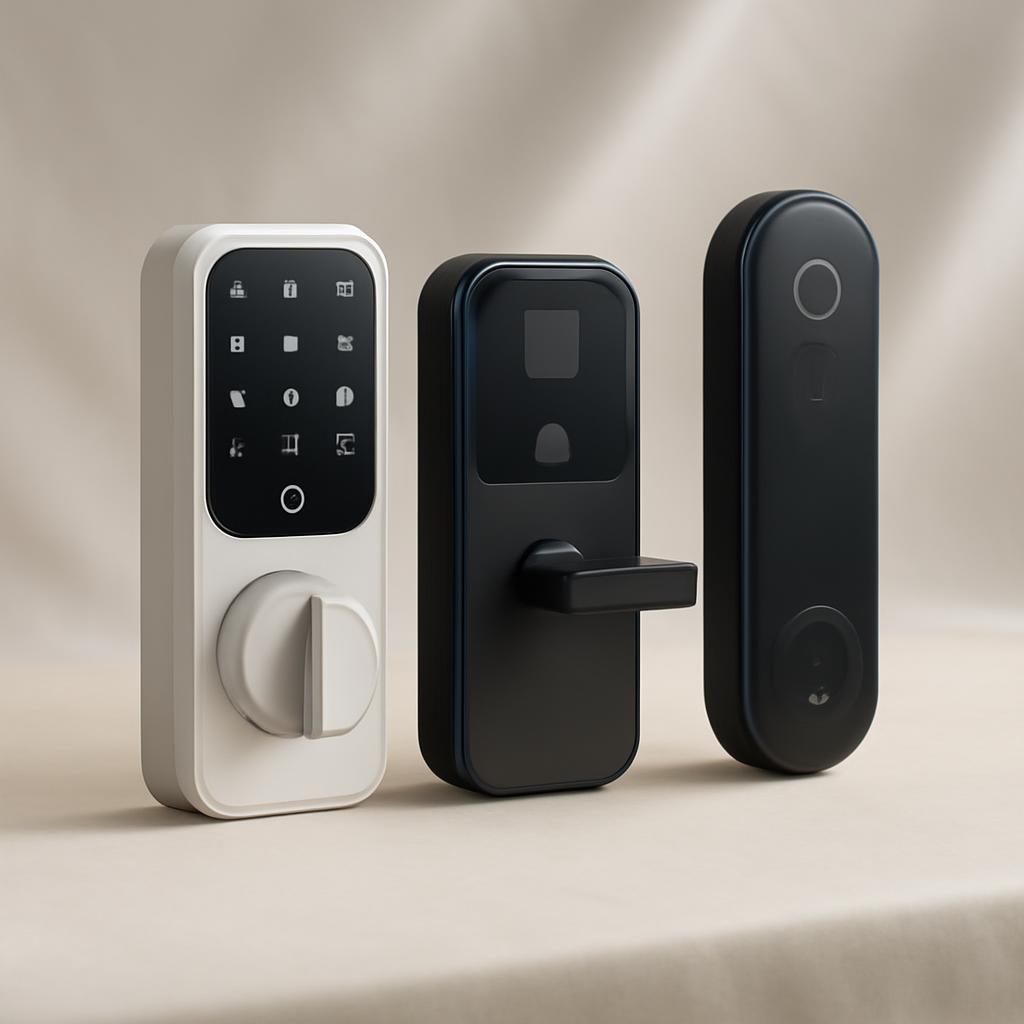
Smart locks come in various types, including retrofit locks, complete replacement locks, and lever-style locks. Each type caters to unique user needs, whether it’s maintaining the existing hardware (retrofit) or achieving a fully modernized door setup (replacement locks). Industry leaders like Schlage and Yale have introduced innovative products tailored to these categories, with Schlage offering advanced biometric authentication and Yale focusing on Apple HomeKit integration.
Deep Dive into Smart Lock Features: Expert Insights
Smart locks are no longer a luxury but a necessity for modern homes and businesses. Dr. Emily Carter, an IoT security expert, notes, “The integration of AI and advanced encryption methods in smart locks has significantly enhanced their reliability and appeal.” For instance, the Schlage Encode Plus, which supports Apple HomeKey, has been praised for its seamless integration with iOS devices, allowing users to unlock doors with just their iPhones or Apple Watches.
Beyond convenience, security remains a critical factor. A study by Euromonitor in 2023 revealed that 72% of consumers prioritize security features when choosing smart locks. Features like two-factor authentication, auto-locking mechanisms, and encryption-backed communication are now standard in leading products. For businesses, this means highlighting these features in marketing efforts can directly address customer concerns.
Key statistics to note:
- The adoption rate of smart locks in Europe is expected to grow by 15% annually, with Germany and the UK leading the charge (McKinsey, 2023).
- 70% of users report increased satisfaction with smart locks due to their integration with voice assistants like Alexa and Google Assistant (Statista, 2024).
Adhering to Industry Standards: Ensuring Compliance and Quality
The smart lock market is subject to rigorous standards to ensure safety and reliability. Products that comply with certifications like ANSI Grade 1 or Grade 2, ISO 9001, and FCC regulations are highly regarded by both consumers and businesses. For example, Yale’s Assure Lock 2 meets ANSI/BHMA A156.36 standards, ensuring robust performance and durability.
Additionally, compliance with regional regulations like GDPR in Europe is critical for products with cloud-based connectivity features. Manufacturers like 7STAR emphasize certifications such as GMP and ISO 22716 to ensure their products meet the highest quality standards while maintaining competitive pricing and low MOQs for businesses.
Implementing Smart Locks: Practical Tips and Metrics for Success
For businesses looking to integrate smart locks into their offerings, understanding customer pain points is key. High installation costs, compatibility issues, and concerns about hacking are common barriers. Addressing these through clear communication and value-driven solutions can help businesses gain a competitive edge.
Success metrics to track include:
- Customer satisfaction rates post-installation
- Reduction in manual lock-related service requests
- Increase in smart home bundle adoption rates
For instance, businesses partnering with manufacturers like 7STAR benefit from factory-direct pricing and a portfolio of 5000+ proven formulations, ensuring both quality and affordability.
Future Trends and Strategic Recommendations
As AI and IoT technologies evolve, future smart locks will likely feature predictive analytics, energy efficiency, and even greater integration with smart home ecosystems. The global market is forecasted to grow by an additional $2 billion by 2030, with Asia-Pacific regions showing the fastest adoption rates.
For businesses, investing in R&D and partnerships with certified manufacturers like 7STAR can ensure they remain ahead of the curve. By focusing on innovation and customer-centric design, companies can secure their place in this rapidly growing market.
Frequently Asked Questions
What is the best smart lock to buy?
The best smart lock depends on your specific needs. For Apple Home users, the Schlage Encode Plus stands out due to its seamless iOS integration. If you’re looking for budget-friendly options, the August Smart Lock offers excellent features at a competitive price. Always prioritize locks with robust security certifications like ANSI Grade 1 or 2.
Are smart locks more secure than deadbolts?
Smart locks with advanced encryption and multi-factor authentication are generally more secure than traditional deadbolts. However, the security level also depends on the build quality and installation. Models like Yale Assure Lock 2 provide both physical and digital security, making them a reliable choice.
What smart locks do locksmiths recommend?
Locksmiths often recommend smart locks like the Schlage Encode Plus and Kwikset Halo due to their reliability and ease of installation. These locks also come with strong warranties and customer support, which are crucial for long-term use.
What are the downsides of smart locks?
While smart locks offer convenience, they may have downsides like dependency on power or Wi-Fi, higher costs compared to traditional locks, and potential cybersecurity risks. Choosing a smart lock with offline capabilities and strong encryption can mitigate these issues.
How do smart locks integrate with smart home systems?
Smart locks typically connect to home systems using Bluetooth, Wi-Fi, or Zigbee protocols. They integrate with platforms like Google Home, Alexa, or Apple HomeKit, allowing control via voice commands or apps. Compatibility varies, so check the specifications of your preferred system.
What is the most reliable smart lock brand?
Brands like Schlage, Yale, and August are often considered the most reliable due to their robust designs, advanced security features, and positive user reviews. For businesses, partnering with manufacturers offering certifications like GMP or ISO ensures consistent product quality.