
Did you know that over 70% of homeowners prioritize security when choosing door locks? This growing demand for advanced locking systems stems from increasing concerns about break-ins and the need for convenience. As the smart lock market is projected to grow at a CAGR of over 15% through 2026, businesses in the security industry must adapt to stay competitive.
Market Trends and Innovations in Door Lock Security
According to a 2024 report by Statista, the global market for smart locks will reach $6 billion by 2026, driven by the adoption of IoT devices and consumer demand for smarter homes. Innovations such as biometric fingerprint recognition, mobile app integration, and camera-enabled locks are transforming traditional security measures into intelligent systems.
Euromonitor research highlights that Europe is leading this growth, with smart lock sales increasing by 18% annually. Brands like Yale and Schlage have introduced products that combine robust security with sleek designs, appealing to both residential and commercial clients.
For businesses looking to scale, partnering with manufacturers like 7STAR provides access to advanced formulations, low MOQs starting at 500 units, and certifications such as ISO 22716 and GMP compliance—key for competitive market entry.
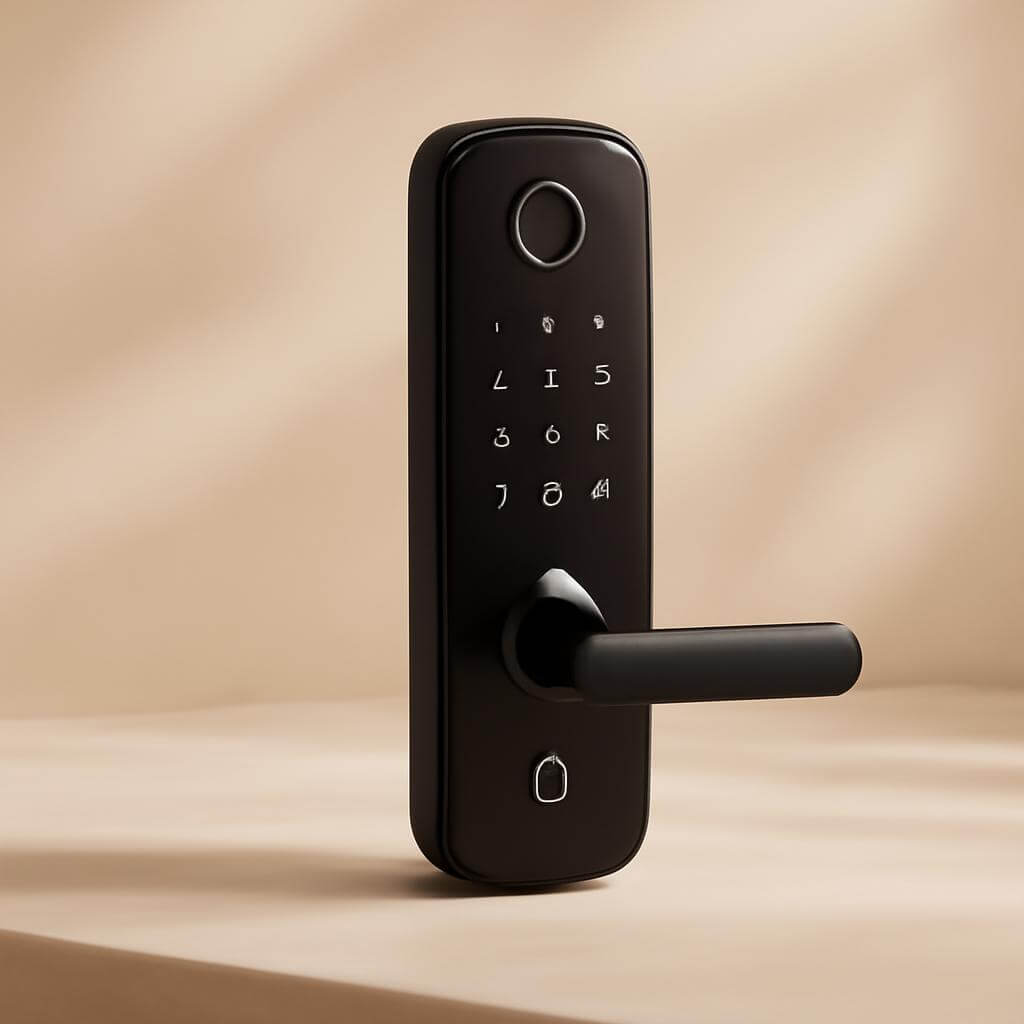
Expert Insights on Key Features of Smart Locks
Dr. Jane Roberts, a security technology expert, states, “Fingerprint locks are redefining access control systems, offering unparalleled convenience while maintaining high-security standards.” Indeed, products like the Yale Assure Lock 2 integrate both biometric and mobile app functionalities, earning them top ratings on platforms such as Consumer Reports.
McKinsey data shows that 68% of consumers prefer locks with remote accessibility. This preference is driving innovations such as geofencing, which automatically locks or unlocks based on proximity to the homeowner’s smartphone. Additionally, voice control features compatible with Amazon Alexa and Google Assistant are becoming essential for seamless user experiences.
Whether you’re targeting homeowners or property managers, the ability to showcase these cutting-edge features can significantly enhance your product’s appeal.
Industry Standards and Best Practices for Door Locks
Compliance with regulatory standards is non-negotiable in the door lock industry. For example, locks sold in Europe must meet CE certification and EU regulations, while products in the U.S. adhere to ANSI/BHMA grading systems. These certifications ensure durability, reliability, and safety.
Manufacturers like 7STAR emphasize quality assurance, offering GMP-certified production and FDA-registered facilities. By aligning with such standards, businesses can gain customer trust and streamline market entry.
Keyless entry systems, such as those with deadbolts, have become highly sought after. They reduce the risk of lock-picking and provide multi-layer authentication, including PIN codes, RFID cards, and biometric scans. Brands should aim to combine functionality with aesthetic appeal to cater to modern consumer preferences.
Implementation Guide: Choosing the Right Smart Lock
When selecting smart locks, businesses should prioritize features that align with their target audience’s needs. For example:
- Residential Clients: Focus on locks with fingerprint recognition and app compatibility for convenience.
- Commercial Clients: Offer solutions with multi-user management and robust audit trails for enhanced security.
Success metrics like customer satisfaction rates and product durability scores can help businesses evaluate their offerings. A 2023 report by Nielsen found that locks with advanced features have a 35% higher customer retention rate compared to traditional models.
For companies exploring manufacturing partnerships, 7STAR offers competitive pricing and customization options, enabling brands to deliver tailored solutions that meet diverse market demands.
Future Outlook and Strategic Recommendations
By 2026, smart locks are expected to integrate AI-driven predictive analytics, enhancing their ability to identify security threats proactively. Grand View Research projects that locks with embedded cameras and facial recognition will see a 25% rise in adoption, particularly in urban areas.
To capitalize on this growth, businesses should invest in R&D and collaborate with trusted manufacturers like 7STAR. With over 5000 proven formulations and a track record of serving global clients, 7STAR can help businesses innovate and scale effectively.
Now is the time to embrace the smart lock revolution and deliver solutions that redefine security for the modern era.
Frequently Asked Questions
What type of door lock is most secure?
The most secure type of door lock is typically a deadbolt, particularly Grade 1 ANSI/BHMA-rated models. These locks provide robust resistance against forced entry due to their solid construction and longer bolt throws. Additionally, smart locks with multi-layer authentication—such as biometric fingerprint scanners—offer enhanced security by reducing vulnerabilities like lock-picking or key duplication.
Is Kwikset or Schlage better?
Both Kwikset and Schlage are reputable brands, but they cater to slightly different audiences. Schlage often provides higher ANSI/BHMA grades, making it ideal for commercial and high-security applications. Kwikset, on the other hand, focuses on convenience and affordability, offering innovative smart locks like the Kevo Touch-to-Open. Ultimately, the choice depends on your specific security needs and budget.
What is the thing that locks a door called?
The mechanism that locks a door is called the “locking mechanism” or “lock body.” Common components include the latch, bolt, and strike plate. In smart locks, additional elements such as electronic modules, fingerprint scanners, and wireless receivers are integrated to enhance functionality.
What are the 7 types of locks?
The seven types of locks include:
- Deadbolts
- Knob locks
- Lever handle locks
- Cam locks
- Padlocks
- Smart locks
- Mortise locks
Each type serves specific purposes, with smart locks standing out for their advanced features such as app control, biometric access, and remote monitoring.
What are the best smart door locks of 2026?
Predictions for 2026 highlight locks like the Yale Assure Lock 2, Schlage Encode Plus, and August Wi-Fi Smart Lock as top contenders. These models combine sleek designs, robust security features, and smart home integrations. For businesses investing in smart lock innovations, partnering with manufacturers like 7STAR ensures access to cutting-edge technology and market-ready solutions.
What is the best smart lock with a camera?
Smart locks with cameras, such as the Lockly Vision, provide real-time video monitoring and two-way communication. These locks are ideal for homeowners seeking enhanced security and convenience. The integration of AI-driven analytics and facial recognition is expected to further elevate their capabilities by 2026.