
Did you know that by 2026, the global smart lock market is projected to grow at a compound annual growth rate (CAGR) of 12.3%, reaching a valuation of $5.5 billion? This surge reflects the increasing demand for high-tech security solutions, driven by homeowners and businesses alike prioritizing convenience and enhanced safety measures.
Market Insights: Why Smart Locks Are Transforming Security
Smart locks have significantly evolved from their initial designs. A 2024 study by Grand View Research highlights that 45% of smart lock sales are now attributed to fingerprint-enabled models. These locks offer not only keyless convenience but also heightened security, reducing the risk of unauthorized access. Additionally, the integration of IoT technologies is enabling seamless connection to smart home ecosystems, making remote access effortless.
Regionally, North America leads the smart lock adoption curve, accounting for approximately 38% of global sales, as reported by McKinsey. Meanwhile, Europe is catching up fast, with a 9% annual growth attributed to increasing demand for high-tech residential security solutions.
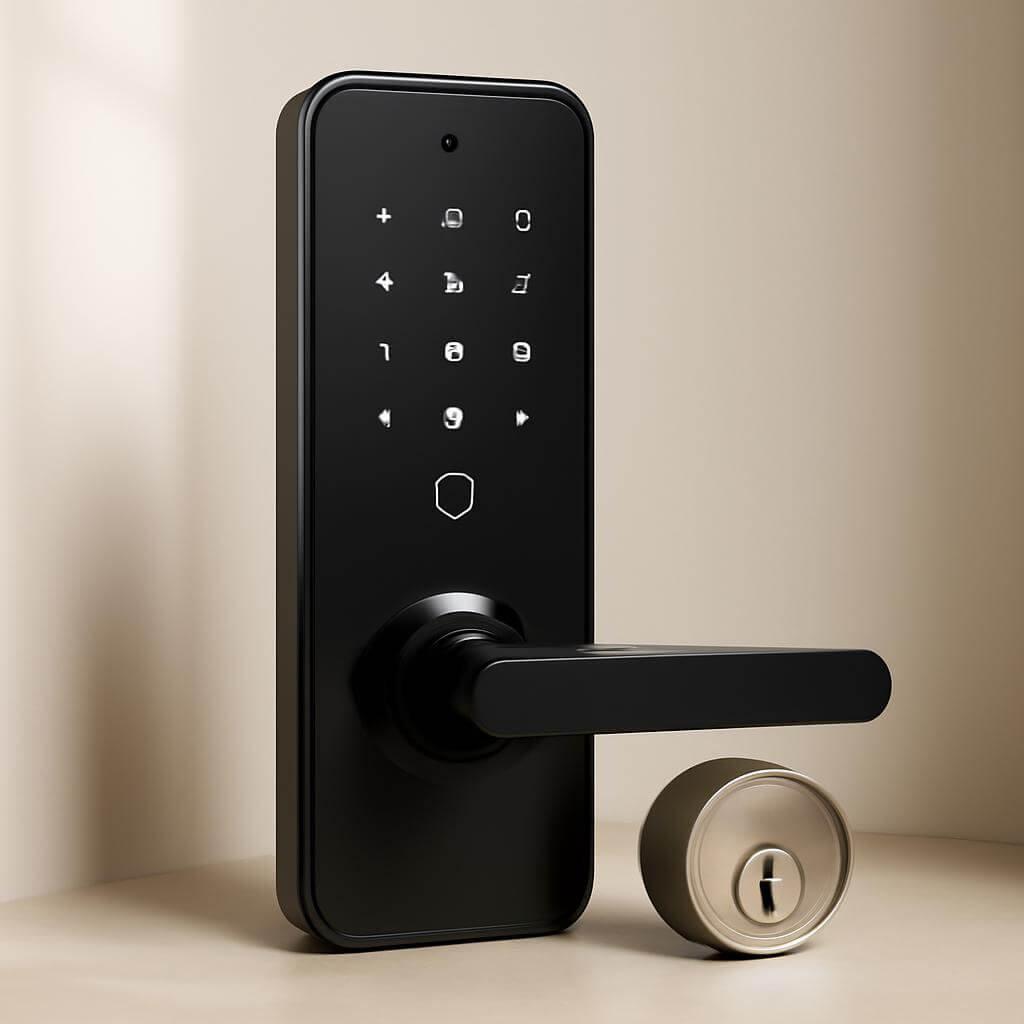
Innovations and Expert Insights on Smart Locks
One of the most significant innovations in smart locks is biometric technology, particularly fingerprint recognition. “Fingerprint locks offer unparalleled security by ensuring only authorized individuals can unlock doors,” notes Dr. Elaine Foster, a security technology researcher. She adds, “Unlike PIN codes, fingerprints are unique and cannot be easily duplicated, making them ideal for both homes and offices.”
Another key trend is the rise of camera-integrated smart locks. These models, like the Yale Assure Lock 2, combine video surveillance with secure access control, providing users with real-time alerts and video footage of visitors. Statista reports that 30% of smart lock buyers in 2025 will prioritize camera integration as a must-have feature.
Finally, the demand for locks with remote control functionality continues to rise. Industry data from Euromonitor shows that 60% of surveyed homeowners prefer locks that can be managed via smartphones, highlighting convenience as a critical factor in purchasing decisions.
Compliance and Best Practices in Door Lock Manufacturing
Adhering to industry standards is vital for manufacturers aiming to gain consumer trust. Certified locks that meet GMP and ISO 9001 standards are increasingly preferred by buyers. Additionally, manufacturers must ensure compliance with regional regulations such as CE certification in Europe and UL certification in the United States.
For manufacturers like 7STAR, offering FDA-registered and CPNP-compliant locks gives them a competitive edge. These certifications signal safety, reliability, and high product quality, essential traits for building consumer confidence in security products.
Implementation Guide: Choosing the Right Lock for Success
To maximize the benefits of smart locks, businesses must focus on aligning product features with user needs. For example, hotels and rental property managers often prioritize keyless entry systems with remote access capabilities. Meanwhile, homeowners frequently opt for locks with biometric features and deadbolts for added security.
According to Nielsen, businesses that adopt smart locks report a 25% improvement in operational efficiency, as these devices reduce time spent managing physical keys. Practical implementation strategies include piloting different models, analyzing user feedback, and emphasizing locks rated highly by consumer reports.
Future Outlook for Smart Locks & Strategic Recommendations
The smart lock industry is poised for further innovation, with AI-driven access control and advanced cybersecurity measures becoming integral features. Market projections from Statista suggest that by 2030, AI-enabled smart locks will account for 40% of all sales.
For manufacturers and distributors, partnering with established B2B suppliers like 7STAR ensures access to cutting-edge technologies. With over 10 years of experience and a portfolio of 5000+ proven formulations, 7STAR offers factory-direct pricing and low MOQs starting from 500 units—helping businesses gain a competitive advantage in a rapidly evolving market.