
In the dynamic world of skincare, face serums continue to dominate as a cornerstone of modern beauty routines. According to recent market insights, the global face serum industry is projected to grow from $3.26 billion in 2023 to an impressive $4.5 billion by 2026, driven by increasing consumer demand for targeted, high-efficacy skincare solutions (Statista, 2024). But what makes serums so indispensable, and how can beauty brands leverage this demand to stand out in a competitive landscape?
The Growing Market for Face Serums
The rise of serums is no accident. These potent formulations, often packed with active ingredients like hyaluronic acid, vitamin C, and peptides, deliver concentrated benefits for specific skin concerns. A report by Euromonitor highlights that anti-aging formulations remain the top-performing segment, accounting for 40% of global serum sales in 2023. Meanwhile, serums addressing hydration and skin brightening are experiencing double-digit growth rates, reflecting evolving consumer preferences.
Another key driver is the increasing awareness of ingredient transparency. Modern consumers seek products backed by science and dermatological expertise. Brands that meet these expectations, such as La Roche-Posay and The Ordinary, are gaining significant traction in both retail and e-commerce channels.
Expert Insights: What Makes a Serum Stand Out?
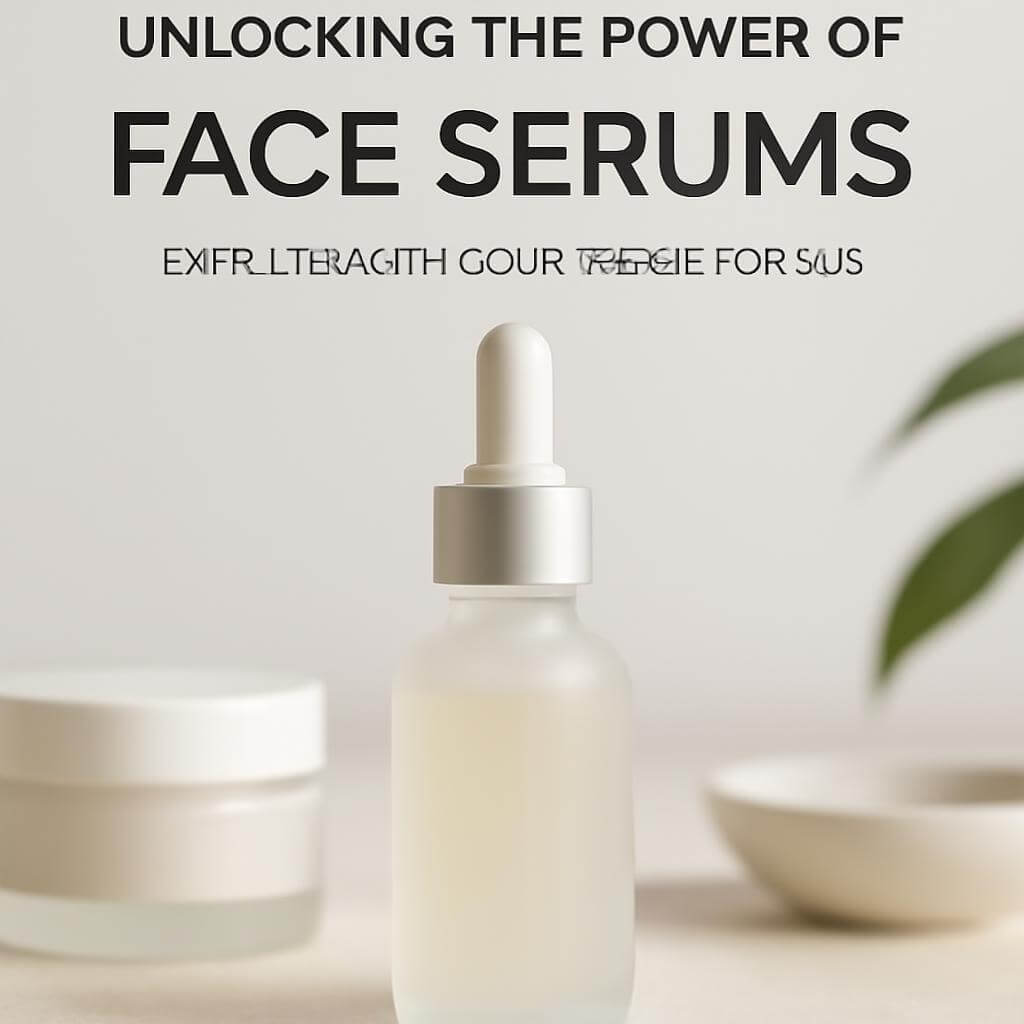
Dr. Emily Harper, a board-certified dermatologist, explains, “Serums are unique because they deliver high concentrations of active ingredients deep into the skin, unlike traditional moisturizers. This makes them essential for anyone targeting specific concerns like fine lines, hyperpigmentation, or dehydration.”
Serums come in a variety of formulations, each designed to address particular skin needs. For instance:
- Hyaluronic Acid Serums: Ideal for hydration and plumping, especially for dry or mature skin.
- Vitamin C Serums: Known for their brightening and antioxidant properties, perfect for combating dullness and environmental damage.
- Retinol Serums: Widely recognized for anti-aging and skin renewal benefits.
Data from McKinsey indicates that 70% of consumers now prioritize personalized skincare solutions. This underscores the importance of offering customizable serum options, whether through modular formulations or product quizzes that guide consumers to their perfect match.
Meeting Regulatory Standards: A Must for B2B Success
As the face serum market grows, so does the scrutiny from regulatory bodies. Brands looking to expand globally must comply with certifications such as FDA approval in the U.S., CPNP registration in the EU, and CFDA standards in China. Ensuring Good Manufacturing Practices (GMP) and ISO 22716 compliance is also essential to building trust with both retailers and end consumers.
Take 7STAR as an example. With FDA, GMP, and CPNP certifications, this leading private label manufacturer offers over 5,000 proven formulations customized to meet regional compliance requirements. Whether you’re targeting the U.S., Europe, or Asia, partnering with certified manufacturers like 7STAR ensures your products meet the highest industry standards.
Implementation Guide: How to Position Your Serum Brand for Success
Launching a successful face serum line requires strategic planning. Here’s a step-by-step guide:
- Market Research: Identify gaps in the market—e.g., serums for specific skin types like oily or sensitive.
- Ingredient Selection: Highlight trending actives like niacinamide or peptides, backed by clinical studies.
- Packaging: Opt for airless pump bottles to preserve ingredient efficacy.
- Marketing: Leverage social proof, such as dermatologist endorsements or user testimonials.
- Distribution: Partner with e-commerce platforms and brick-and-mortar retailers to maximize reach.
For businesses ready to scale, 7STAR provides end-to-end solutions, including low minimum order quantities (starting at 500 units) and factory-direct pricing. This allows even emerging brands to enter the market with competitive offerings.
Future Trends and Strategic Recommendations
The face serum market shows no signs of slowing down. By 2026, innovations such as AI-driven product recommendations and skin microbiome-friendly formulations are expected to reshape the industry. Brands that invest in R&D and embrace sustainability—such as recyclable packaging or refillable systems—will likely dominate consumer preferences.
In conclusion, staying ahead in this dynamic market requires not only understanding consumer needs but also delivering on them with high-quality, compliant, and innovative products. For brands looking to make their mark, partnering with experienced manufacturers like 7STAR is a strategic move toward long-term success.