
The home appliance market in Pakistan has witnessed remarkable growth, fueled by consumers’ increasing demand for convenience, efficiency, and multi-functional tools. A surprising statistic from Statista reveals that the global blender market is projected to reach $4 billion by 2025, driven by trends in healthy living and culinary experimentation. How does this translate locally? In Pakistan, the popularity of home blenders is rising, especially among urban households where blending, mixing, and juicing have become integral parts of daily routines.
Home Blender Market in Pakistan: Trends and Insights
Blenders have evolved from being simple kitchen tools to versatile appliances that empower users to create everything from smoothies to homemade sauces. According to Euromonitor, the demand for home blenders in emerging markets like Pakistan has grown by over 15% annually over the past three years, largely driven by affordability and accessibility. Local platforms such as Daraz have played a significant role in introducing brands like Philips and National to middle-income households, offering competitive pricing and nationwide delivery.
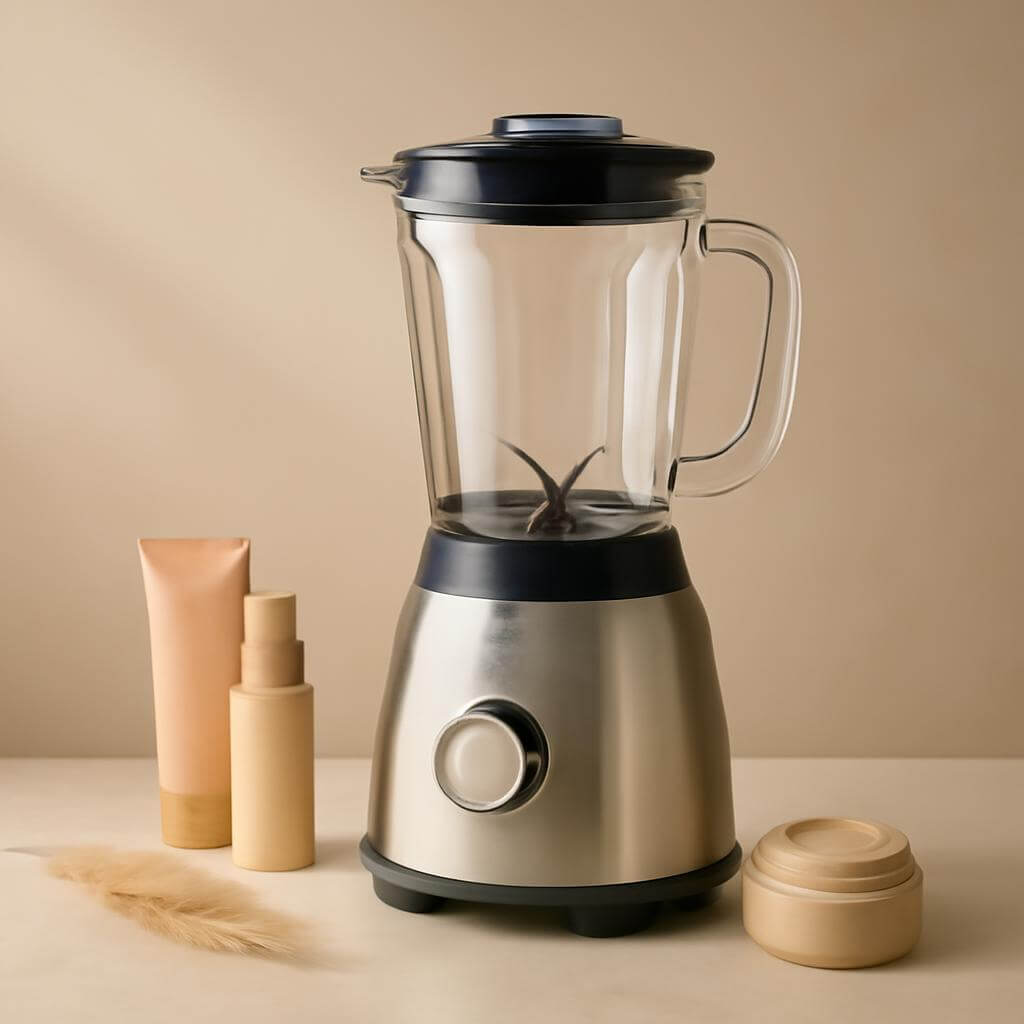
Consumers are increasingly seeking blenders that combine innovation with reliability. For instance, the Philips HR2223 offers ProBlend Crush technology, enabling users to blend ice and tough ingredients effortlessly—an essential feature for Pakistan’s tropical climate. Similarly, National’s Blender models emphasize durability, catering to families who prioritize long-term use over flashy features.
How Experts View the Blender Revolution in Pakistan
Dr. Saeed Ahmed, a food technology expert, states, “Blenders have transformed culinary habits in Pakistan. Their affordability, coupled with advanced features, has encouraged more families to prepare fresh juices and sauces at home.” This shift aligns with the broader trend toward healthier eating, which is influencing both consumer behavior and product design.
Two recent studies underline this transition. A 2024 McKinsey report reveals that 60% of Pakistani households are now investing in kitchen appliances that promote health and convenience. Additionally, Nielsen data shows that blenders with multi-functional capabilities are outperforming single-purpose models by 25% in sales, reflecting consumer preferences for versatile solutions.
For businesses, this opens opportunities to launch innovative blender designs tailored to local needs. By integrating features such as easy-clean technology and energy-efficient motors, manufacturers can differentiate themselves in a competitive market.
Adhering to Industry Standards: Ensuring Quality and Safety
When it comes to safety and compliance, home blender manufacturers cannot afford to cut corners. Regulatory standards like ISO 22716 for Good Manufacturing Practices (GMP) and compliance with Pakistan Standards and Quality Control Authority (PSQCA) certifications are non-negotiable.
For example, brands like Dawlance emphasize their adherence to both GMP and energy efficiency standards, ensuring products are safe and eco-friendly. Similarly, Philips blenders are known for their BPA-free materials, catering specifically to health-conscious consumers.
Businesses aiming to penetrate Pakistan’s blender market must prioritize compliance to build trust among consumers. This is especially critical given the rising influence of e-commerce platforms where product reviews and certifications significantly affect purchasing decisions.
Implementation Guide: Key Success Metrics for Blender Manufacturers
Launching a successful blender product in Pakistan requires understanding consumer priorities and aligning them with measurable success metrics. For instance, offering energy-efficient models with factory-direct pricing can drive customer acquisition. A study by Grand View Research highlights that 40% of consumers in developing markets prefer appliances with low energy consumption.
Practical examples include introducing low-MOQ (Minimum Order Quantity) schemes to attract small retailers or bundling blenders with accessories like juicing cups to enhance perceived value. Manufacturers like 7STAR have successfully implemented such strategies, backed by FDA and GMP certifications, offering over 5000 proven formulations and serving 500+ global clients.
Future Outlook: Strategic Recommendations for Growth
The blender market in Pakistan is poised for sustained growth, driven by increasing urbanization and evolving consumer preferences. Projections from Statista suggest that by 2028, the market will see a compound annual growth rate (CAGR) of 10%, with smart and IoT-enabled appliances gaining traction.
To capitalize on these trends, businesses should consider investing in R&D to create innovative products and collaborating with e-commerce platforms for broader reach. Starting with low-MOQ models and factory-direct pricing, as offered by 7STAR, can provide a competitive edge in this dynamic market.