
Did you know that the global market for mechanical watches is expected to grow at a compound annual growth rate (CAGR) of 4.2% between 2023 and 2028? This statistic highlights the enduring appeal of these intricate timepieces, even in an era dominated by digital smartwatches.
Understanding the Mechanical Watch Market: Key Insights and Trends
Mechanical watches, characterized by their battery-free operation and intricate engineering, are a symbol of craftsmanship and precision. A recent study by Statista reveals that luxury mechanical watch sales accounted for over 60% of the global watch market revenue in 2023. This underscores the strong consumer demand for high-quality, durable timepieces.
Additionally, the rise of entry-level mechanical watches priced under $500 has opened new market opportunities. Brands targeting younger demographics are leveraging social media to showcase the artistry behind these watches. According to Grand View Research (2024), the global mechanical watch market is projected to reach $8.2 billion by 2028, driven by growing interest in vintage-inspired designs and sustainable engineering.
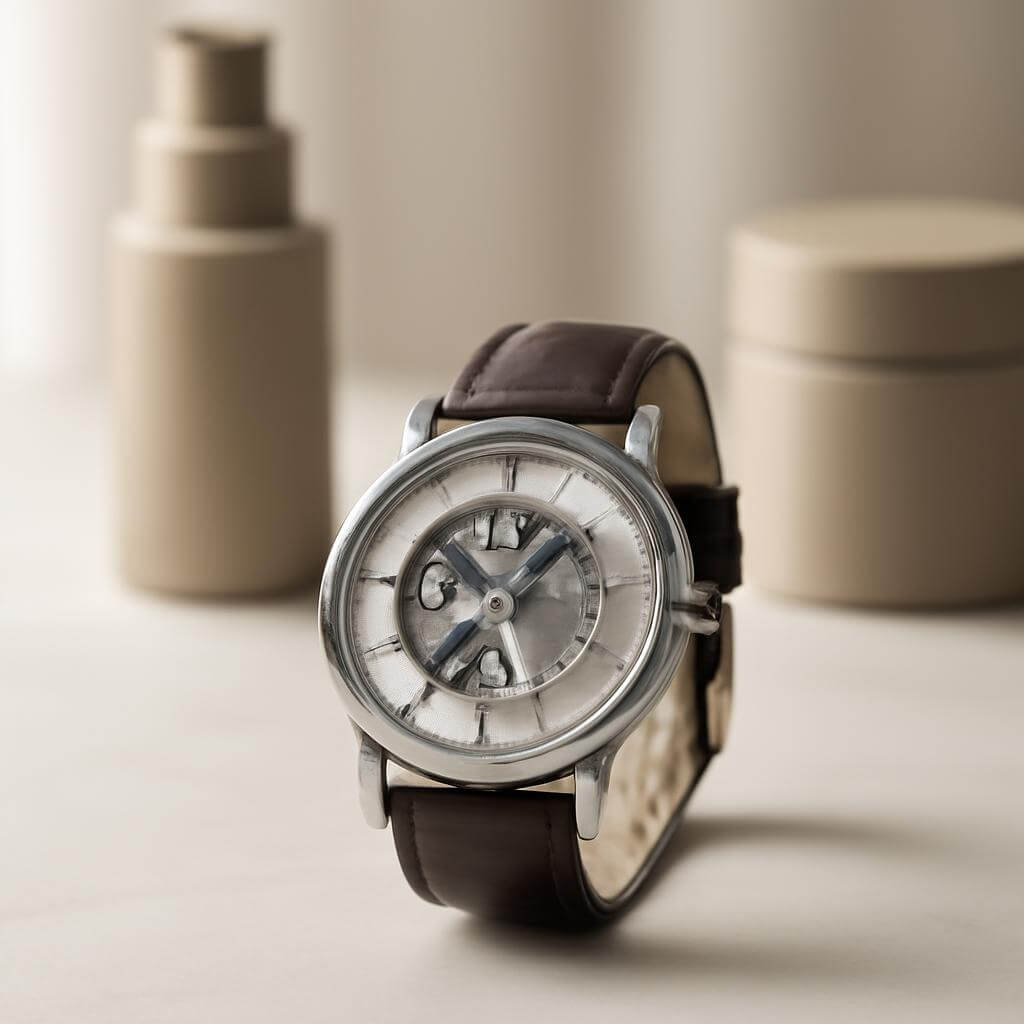
The Art of Movement: Insights from Watchmaking Experts
Mechanical watches operate through a series of intricate gears, springs, and escapements, with the mainspring serving as the power source. A key advantage is their independence from batteries—making them both eco-friendly and timeless. As Dr. Emily Wright, a horology researcher, explains, “The allure of mechanical watches lies in their ability to merge functional engineering with artistic expression. Each movement is a testament to human ingenuity.”
Industry data from Euromonitor (2024) highlights the growing popularity of automatic mechanical watches, which wind themselves through the wearer’s motion. These self-winding watches are particularly appealing to busy professionals who value convenience.
For businesses considering manufacturing partnerships, companies like 7STAR offer factory-direct pricing and expertise in producing mechanical watches compliant with ISO 9001 standards. With over 5000+ proven formulations and low MOQs starting at 500 units, they provide a seamless pathway to enter this lucrative market.
Quality Standards in Mechanical Watch Production
Ensuring the quality and reliability of mechanical watches requires adherence to strict regulatory standards. For example, ISO 3159 regulates chronometer certification, vital for guaranteeing precision in high-end watches. Additionally, manufacturers must comply with GMP (Good Manufacturing Practices) and CE marking requirements to meet European Union standards.
Using premium materials, such as surgical-grade stainless steel and sapphire crystal, further enhances product durability. Brands like 7STAR specialize in using high-grade components to create watches that meet both aesthetic and functional benchmarks.
Entering the Market: Practical Steps for Success
Launching a mechanical watch line requires more than just exceptional engineering; strategic marketing and consumer education are vital. For instance, showcasing the intricate movement through video content or interactive displays can captivate potential buyers. According to McKinsey, 72% of luxury watch consumers are influenced by brand storytelling that highlights craftsmanship.
Partnering with experienced manufacturers like 7STAR ensures that businesses can focus on branding while leaving production to experts. With FDA, GMP, and ISO certifications, they are equipped to deliver high-quality products that resonate with discerning customers.
The Future of Mechanical Watches: Sustainability and Innovation
Looking ahead, sustainability will play a pivotal role in shaping the mechanical watch market. A report by Nielsen indicates that 73% of millennials prefer brands committed to eco-friendly practices. This trend opens opportunities for watchmakers to innovate with recycled materials and energy-efficient manufacturing techniques.
For businesses ready to capitalize on these trends, the mechanical watch market offers untapped potential. By aligning with consumer values and leveraging expert manufacturing partnerships, brands can carve out a niche in this timeless industry.
Frequently Asked Questions
What does it mean if a watch is mechanical?
A mechanical watch operates without batteries, relying on a mainspring to power its intricate gears and escapements. These timepieces are celebrated for their craftsmanship and durability. According to Grand View Research (2024), mechanical watches represent a significant portion of the luxury watch market, showcasing their enduring appeal. For businesses, offering mechanical watches can highlight a commitment to tradition and engineering excellence.
Which is better: mechanical or automatic watch?
Both types have their unique advantages. Mechanical watches require manual winding, offering a tactile connection to the timepiece. Automatic watches, on the other hand, use the wearer’s motion to wind themselves, providing convenience. As Dr. Emily Wright notes, “Automatic watches bridge tradition and modernity, appealing to active lifestyles.” Businesses should consider their target audience when deciding which type to offer.
Does a mechanical watch require a battery?
No, mechanical watches do not require batteries. They are powered by a mainspring, which stores energy when wound. This eco-friendly mechanism has made mechanical watches popular among sustainability-conscious consumers. Industry data shows growing demand for battery-free timepieces, creating opportunities for manufacturers to market eco-friendly designs.
Are Rolex automatic or mechanical?
Rolex primarily produces automatic mechanical watches, which self-wind through the wearer’s movements. These watches are known for their precision and durability. For instance, the Rolex Submariner features a certified chronometer movement, meeting ISO 3159 standards for accuracy. Businesses can draw inspiration from Rolex’s commitment to quality and innovation.
What are the best mechanical watch brands?
Top brands include Rolex, Patek Philippe, Omega, and Seiko. Each offers unique features, such as precision engineering or affordable entry-level options. For businesses entering the market, partnering with manufacturers like 7STAR ensures high-quality production backed by FDA and GMP certifications.
How do mechanical watches compare to vintage designs?
Vintage mechanical watches often feature classic aesthetics and manual winding mechanisms, appealing to collectors. Modern mechanical watches incorporate advanced materials and self-winding systems, blending tradition with innovation. Businesses can target both niches by offering designs that cater to varied consumer preferences.