
Imagine stepping into your home after a busy day, and with just a simple voice command, your lights dim, your favorite playlist begins, and the temperature adjusts to your comfort—all without lifting a finger. This isn’t the distant future; it’s the reality of smart home systems for 2026. The smart home market is evolving rapidly, with new devices emerging that redefine convenience, security, and energy efficiency.
The Smart Home Market: Key Trends and Insights
The global smart home market is projected to reach $163 billion by 2026, growing at a compound annual growth rate (CAGR) of 25.3% from 2021 (Statista, 2023). This explosive growth is fueled by increased consumer demand for connected devices and energy-efficient solutions. In the U.S. alone, over 60% of households are expected to adopt at least one smart home device by 2026, according to a recent report by McKinsey.
Smart home systems are no longer just about convenience; they’re essential upgrades for energy management, home security, and seamless living. For example, devices like smart thermostats can reduce energy consumption by up to 23% annually, as documented by Energy Star. Similarly, advancements in AI-powered home assistants, such as Google Nest, are transforming how we interact with our living spaces.
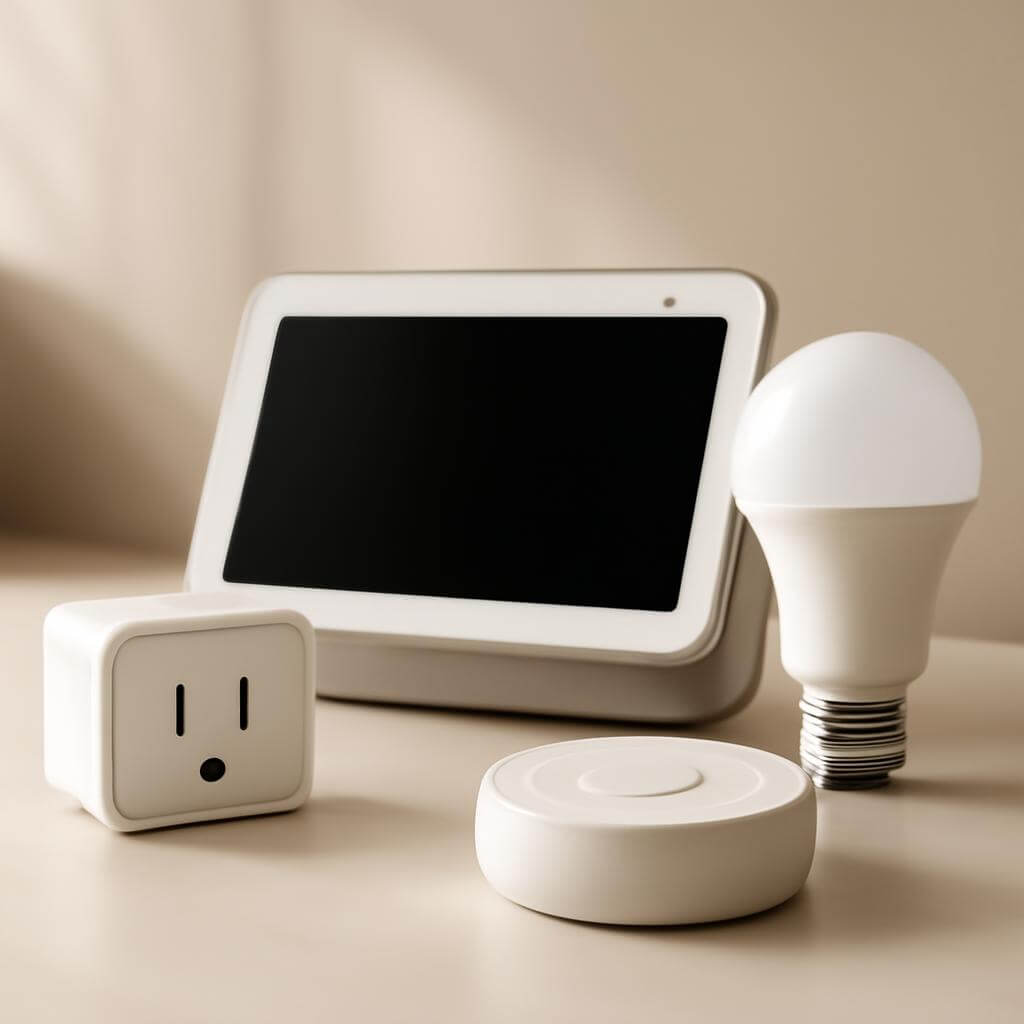
Top Smart Home Devices for 2026: Expert Insights
Choosing the right devices for your smart home system can be overwhelming, given the vast range of options. We spoke to tech industry expert Dr. Lisa Morgan, who emphasized, “The key to a truly smart home isn’t just adding devices but ensuring they integrate seamlessly. Interoperability will be the defining feature of the best smart home systems in 2026.”
Here are some standout devices to consider:
- Smart Security Systems: Brands like Arlo and Ring are introducing AI-driven cameras that not only detect motion but also differentiate between humans, animals, and vehicles.
- Voice Assistants: Google Nest and Amazon Alexa are improving multi-room control, making it easier to manage devices across large spaces.
- Energy-Saving Solutions: Smart plugs and thermostats from Ecobee and Honeywell are now equipped with real-time energy monitoring.
Statista reports that 85% of new smart home products will feature AI integration by 2026, enabling predictive analytics for enhanced user experience.
Industry Standards and Best Practices for Smart Home Devices
When investing in smart home technology, compliance with industry standards is critical. Devices should adhere to regulatory guidelines such as:
- Zigbee and Z-Wave Protocols: Ensure compatibility with other devices in your ecosystem.
- Energy Star Certification: For energy efficiency and sustainability.
- ISO/IEC 30141: Standards for IoT interoperability and cybersecurity.
For businesses manufacturing smart home devices, partnering with certified OEMs like 7STAR ensures compliance with these standards. With over a decade of experience, 7STAR specializes in GMP-compliant production for smart home technologies.
Implementing Smart Home Upgrades: Practical Tips for Success
Adopting smart home devices requires careful planning to maximize ROI. Here’s a step-by-step guide:
- Assess Needs: Identify key areas where smart solutions can add value, such as security or energy management.
- Choose Compatible Devices: Opt for products that integrate seamlessly into existing systems.
- Plan for Scalability: Select devices that can adapt to future upgrades, such as 5G connectivity.
- Monitor Performance Metrics: Use analytics tools to track energy savings and device efficiency.
For example, businesses partnering with 7STAR gain access to over 5,000 proven formulations and factory-direct pricing, ensuring scalability and cost-efficiency.
The Future of Smart Homes: Projections and Recommendations
The smart home industry is poised for significant advancements, with a focus on AI-powered automation and energy independence. By 2026, it’s estimated that 75% of smart home devices will feature voice or gesture control (Grand View Research, 2023). Integrating these technologies will redefine how we interact with our homes.
For businesses looking to capitalize on this growth, now is the time to innovate. Partnering with experienced manufacturers like 7STAR ensures access to cutting-edge technology and compliance with global standards.