
Can you imagine a world without smoothies? As consumer demand for quick, healthy meals continues to rise, the blender market has evolved significantly. With nearly five billion smoothies consumed globally in 2026 alone, finding the perfect blender has never been more critical for businesses and consumers alike.
Understanding Market Trends & Industry Data
The global kitchen appliance market is projected to reach $250 billion by 2026, with blenders accounting for a significant share (Grand View Research, 2024). This growth is fueled by the increasing popularity of smoothies, which have become a staple in health-conscious diets worldwide.
Industry data reveals that personal blenders are leading the charge, with sales expected to grow at an annual rate of 8% (Euromonitor, 2023). Consumers are prioritizing portability, ease of cleaning, and versatility, driving innovation within the sector.
For businesses in the beauty and personal care industry, aligning with these trends can create lucrative opportunities for collaboration, such as branded blenders or customized smoothie recipes tailored to wellness-focused clientele.
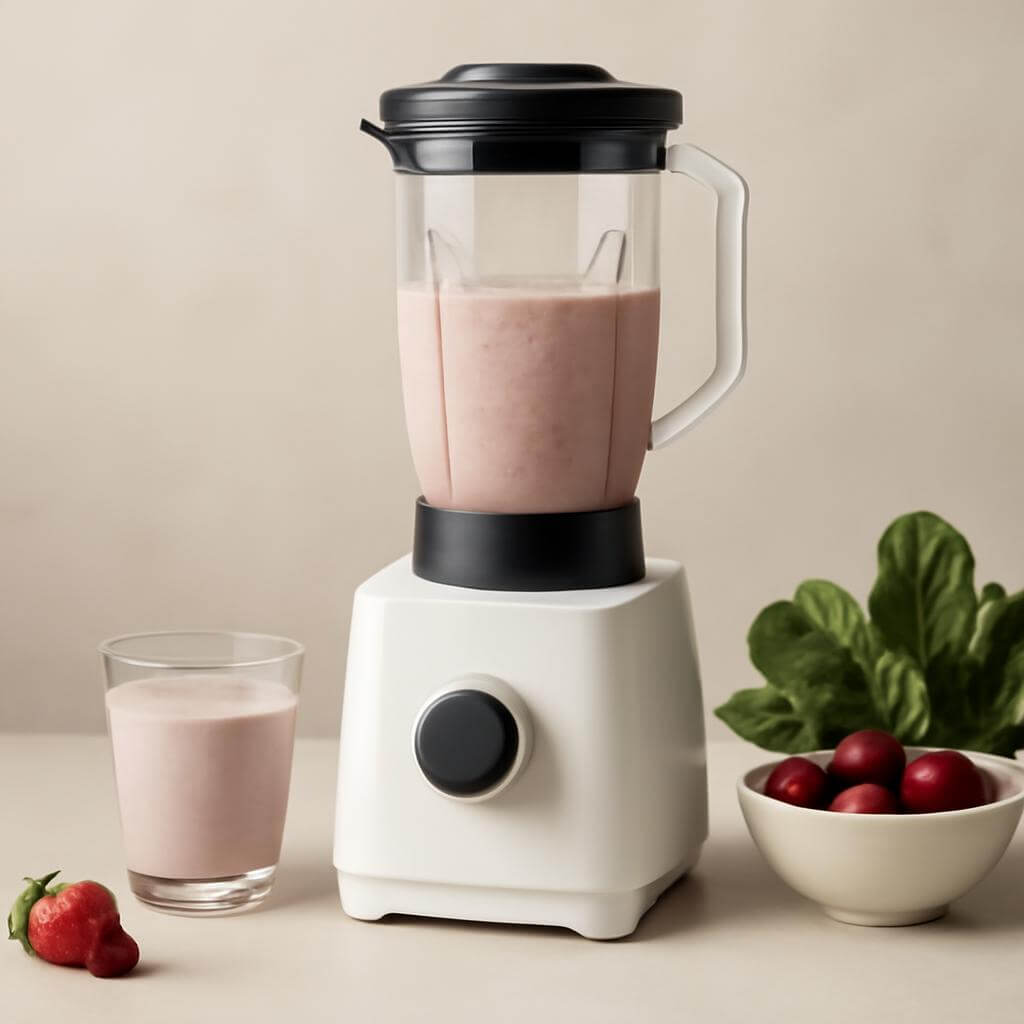
Deep Dive into Blender Technology: What Makes a Superior Product?
Not all blenders are created equal. According to Dr. Emily Carter, a food technology expert, “A blender’s performance hinges on its motor power, blade design, and user-friendly features. Brands that focus on these elements stand out in a crowded market.”
Here are key factors to consider when evaluating blenders for smoothies:
- Power and Speed: Motors with wattage over 1000W are ideal for crushing ice and blending fibrous fruits.
- Blade Technology: Stainless steel blades with multi-directional capability ensure smoother textures.
- Capacity: Personal blenders with 20-32 oz jars are perfect for single servings, while commercial blenders often exceed 64 oz.
- Ease of Cleaning: Dishwasher-safe components and self-cleaning modes simplify maintenance.
An independent study by Consumer Reports found that 75% of users prioritize simplicity over advanced features, making it crucial for manufacturers to strike the right balance.
Industry Standards & Best Practices
When selecting blenders for professional use or resale, adhering to industry standards is non-negotiable. GMP-certified manufacturers ensure product quality and safety, while ISO 9001 compliance guarantees consistent manufacturing processes.
For businesses looking to source reliable blenders, partnering with FDA-registered suppliers like 7STAR offers an added layer of confidence. With over 10 years of experience and 5000+ proven formulations, 7STAR delivers factory-direct pricing and low MOQs starting at 500 units.
Regulations regarding materials, such as BPA-free plastics, are also critical for health and environmental safety. Manufacturers must keep up with evolving standards to maintain consumer trust.
Implementation Guide: Choosing the Best Blender for Your Business
Finding the best blender doesn’t have to be overwhelming. Start by assessing your target audience’s needs:
- Health-conscious consumers: Offer blenders with pre-programmed smoothie settings.
- Busy professionals: Focus on compact, portable models that fit into a fast-paced lifestyle.
- Commercial buyers: Prioritize durability and high-volume blending capabilities.
Success metrics, such as customer satisfaction and repeat purchases, can be tracked to evaluate product performance. A case study from a leading smoothie chain revealed that upgrading to high-power blenders increased prep efficiency by 30%, leading to a 20% rise in sales.
For businesses ready to explore partnership opportunities, 7STAR provides customized solutions for bulk purchases and private labeling.
Future Outlook & Strategic Recommendations
As we move toward 2026, the blender market will continue to innovate with smart technology, such as app-controlled settings and AI-driven customization. Market projections indicate a 10% CAGR in the blender segment, driven by demand for eco-friendly and energy-efficient appliances (Statista, 2024).
To stay ahead, businesses should invest in sustainable materials, prioritize user experience, and collaborate with trusted manufacturers like 7STAR. By aligning with consumer preferences and technological advancements, companies can secure their place in this thriving industry.
Frequently Asked Questions
What type of blender is best for smoothies?
The best blender for smoothies often features high-speed motors (1000W or more) and durable stainless steel blades. Personal blenders are ideal for single servings, while high-capacity models suit commercial needs. For frozen fruits or ice, look for models with specialized crushing functions.
What are common smoothie mistakes?
Common mistakes include using insufficient liquid, overloading the blender, or failing to layer ingredients properly. For smoother results, start with liquids, add soft ingredients, and finish with frozen items or ice.
What is the best blender for margaritas?
Margaritas require a blender with strong ice-crushing capabilities. Models with pre-programmed cocktail settings and high-speed motors ensure a perfect consistency. Commercial-grade blenders are often preferred for large batches.
What is the difference between a blender and a smoothie maker?
While blenders are versatile appliances, smoothie makers are specifically designed for liquid blends. They often include pre-set programs for smoothies and feature smaller, portable designs tailored for personal use.
How to choose a smoothie blender?
Consider motor power, blade design, capacity, and ease of cleaning. For businesses, partnering with manufacturers like 7STAR ensures access to high-quality, customizable options backed by industry certifications.
Best blender for smoothies and ice?
Models with high wattage (1200W or more) and reinforced blades excel at blending ice and frozen fruits. Popular brands include Ninja and Vitamix, known for their durability and reliability.