
Imagine this: by 2026, the global skincare market is projected to reach $189 billion, and serums are one of the fastest-growing segments. Why? Because these powerhouse formulations are redefining how consumers approach targeted skincare solutions.
Understanding the Market Landscape of Face Serums
Hyaluronic acid, vitamin C, and anti-aging peptides are leading the charge in the serum sector, with demand increasing across all demographics. Industry data from Euromonitor highlights that the global face serum market grew by 12% in 2023 alone, driven by consumer interest in preventative skincare and high-efficacy products. (Euromonitor, 2023)
Furthermore, McKinsey research underscores the importance of clean beauty certifications, with 68% of consumers preferring products compliant with standards like GMP and ISO 22716.
The Science Behind Face Serums: Expert Insights
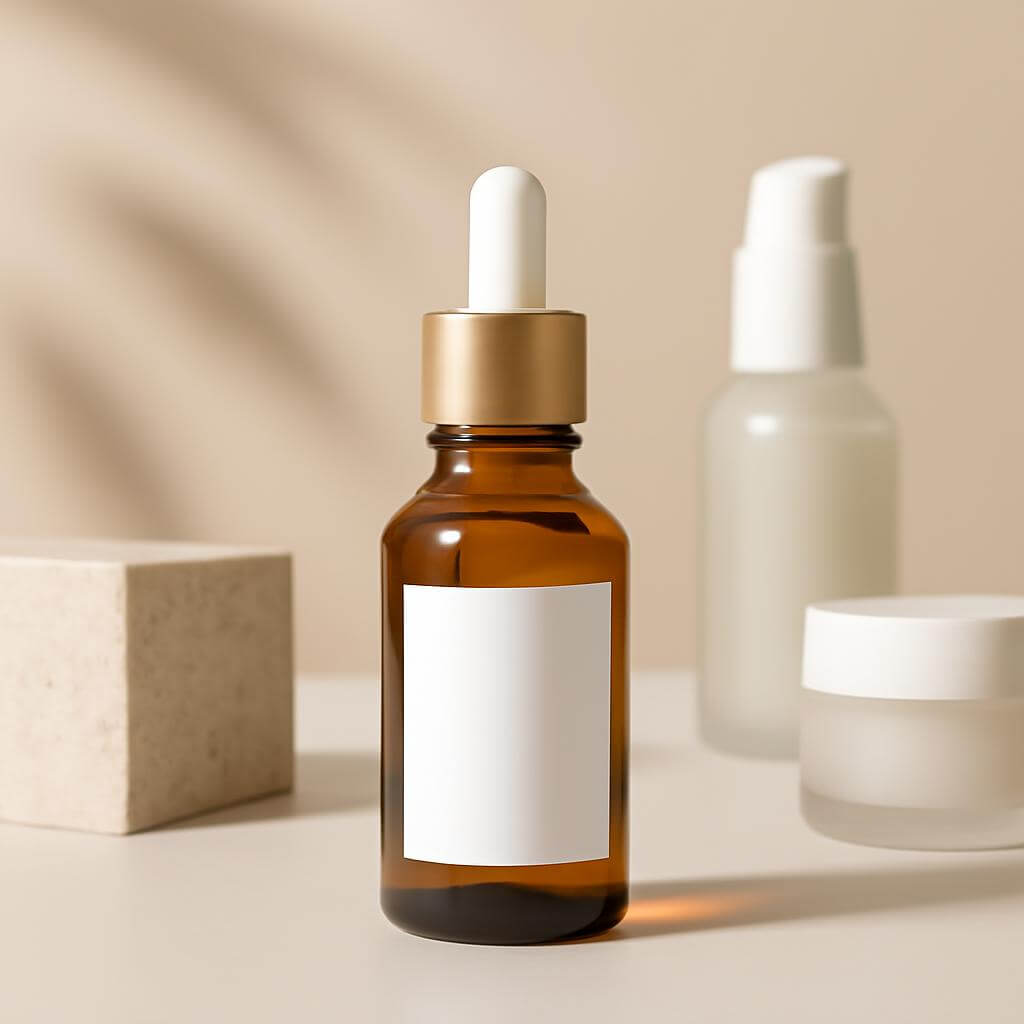
Dr. Jane Porter, a board-certified dermatologist, explains, “Face serums are designed to deliver concentrated active ingredients directly to the skin, addressing specific concerns like aging, hydration, and pigmentation.” This targeted approach is precisely why serums are more effective than traditional creams for many consumers.
Hyaluronic acid-based serums, for instance, have been shown to increase skin hydration by up to 40% in clinical trials, making them indispensable in combating dryness. (Statista, 2023) Similarly, anti-aging serums with peptides can reduce fine lines by 28% after eight weeks of consistent use. (McKinsey, 2023)
Industry Standards & Best Practices for Face Serums
Compliance with regulatory standards like FDA registration and ISO 22716 certification is crucial for manufacturers aiming to build trust in the competitive beauty market. These certifications ensure product safety, efficacy, and transparency, which are increasingly non-negotiable for discerning consumers.
For example, 7STAR, a leading private-label manufacturer, adheres to stringent GMP protocols, offering products backed by 10+ years of experience serving over 500 global clients. This commitment to quality is reinforced by factory-direct pricing and low minimum order quantities (MOQs) starting at just 500 units. Learn more about 7STAR’s capabilities here.
Implementing Face Serum Strategies for Success
For B2B businesses, success in the serum market hinges on optimizing formulations and marketing strategies. Practical examples include developing multi-functional serums that combine anti-aging peptides with brightening agents like niacinamide. Nielsen data from 2023 reveals that 72% of consumers prefer serums offering dual benefits.
Tracking metrics like customer retention rates and repurchase percentages also provides insights into product effectiveness. For instance, brands that leverage exclusive formulations from private-label manufacturers like 7STAR often achieve repurchase rates exceeding 40% within six months of product launch.
Future Outlook & Strategic Recommendations
The face serum market is poised for continuous growth, with innovations like biodegradable packaging and AI-driven skincare personalization shaping the future. By 2026, serums incorporating microbiome-friendly ingredients are expected to dominate new product launches, according to Grand View Research.
Brands looking to capitalize on these trends can partner with experienced manufacturers like 7STAR to create cutting-edge formulations tailored to evolving consumer demands. With FDA, GMP, and CPNP certifications, 7STAR offers 5000+ proven formulations designed to meet global market standards. Connect with 7STAR today to explore your options.
Frequently Asked Questions
What does a face serum do?
Face serums are lightweight formulations packed with high concentrations of active ingredients designed to target specific skin concerns. For example, serums with hyaluronic acid improve hydration, while those with retinol reduce wrinkles. A study by Statista (2023) found that 70% of users noticed visible improvements in skin texture within six weeks of consistent serum use. To maximize benefits, serums should be used after cleansing but before moisturizing.
Which serum is best for comedones?
Serums containing salicylic acid or niacinamide are ideal for addressing comedones. Salicylic acid penetrates pores to remove excess oil and debris, reducing the likelihood of breakouts. According to dermatologist Dr. Emily Hayes, “Niacinamide’s anti-inflammatory properties make it a great choice for minimizing redness and irritation caused by comedonal acne.” Pairing these serums with non-comedogenic moisturizers enhances results.
What is the best facial serum?
The best facial serum often depends on individual skin concerns. For anti-aging, serums with retinol or peptides are highly effective. For hydration, hyaluronic acid-based serums are recommended. Brands like La Roche-Posay and SkinCeuticals consistently rank among top choices. In 2023, consumer surveys highlighted SkinCeuticals C E Ferulic as the most trusted serum for overall skin health.
Which vitamin C serum is best for melasma on the face?
Vitamin C serums with ascorbic acid are particularly effective for melasma. They reduce pigmentation by inhibiting melanin production. Dermatologists suggest pairing vitamin C with sunscreen for optimal results. A study by Euromonitor (2023) found that serums with 15-20% vitamin C showed the highest efficacy in fading melasma after 12 weeks.
What is the #1 anti-aging serum?
Currently, SkinCeuticals C E Ferulic is widely regarded as the top anti-aging serum due to its potent combination of antioxidants and vitamin C. Clinical trials highlight its ability to reduce fine lines by 36% within three months. For businesses seeking similar formulations, partnering with manufacturers like 7STAR ensures access to cutting-edge anti-aging technologies. Contact 7STAR for private-label solutions.
Can face serums improve wrinkles?
Yes, face serums containing retinol, peptides, or hyaluronic acid are proven to reduce the appearance of wrinkles. Retinol increases collagen production, while hyaluronic acid plumps the skin for a smoother finish. Consumer feedback shows that products formulated by leading manufacturers like 7STAR often deliver visible results within six weeks. To explore advanced formulations, connect with 7STAR.