
Imagine a world where your front door recognizes you and unlocks without a key or code. This isn’t science fiction—it’s the promise of 2026’s leading smart lock technologies. As home automation grows into a $79 billion industry by 2027 (Statista, 2024), smart locks have become essential for both security and convenience, reshaping how we think about home access.
Smart Lock Market Trends and Industry Context
The global market for smart locks is projected to reach $4.4 billion by 2026, driven by innovations in IoT integration and biometric technology (Grand View Research, 2024). While traditional locks offer basic security, smart locks provide advanced features like remote access, compatibility with home automation systems, and real-time monitoring. A 2024 study by McKinsey revealed that 68% of homeowners consider smart locks a critical component of their security systems.
Key brands such as Schlage, Yale, and Kwikset lead the pack, with Schlage’s Encode Plus standing out for its seamless integration with Apple HomeKit. Meanwhile, emerging players like Aqara are targeting affordability without compromising on advanced features, such as fingerprint recognition.
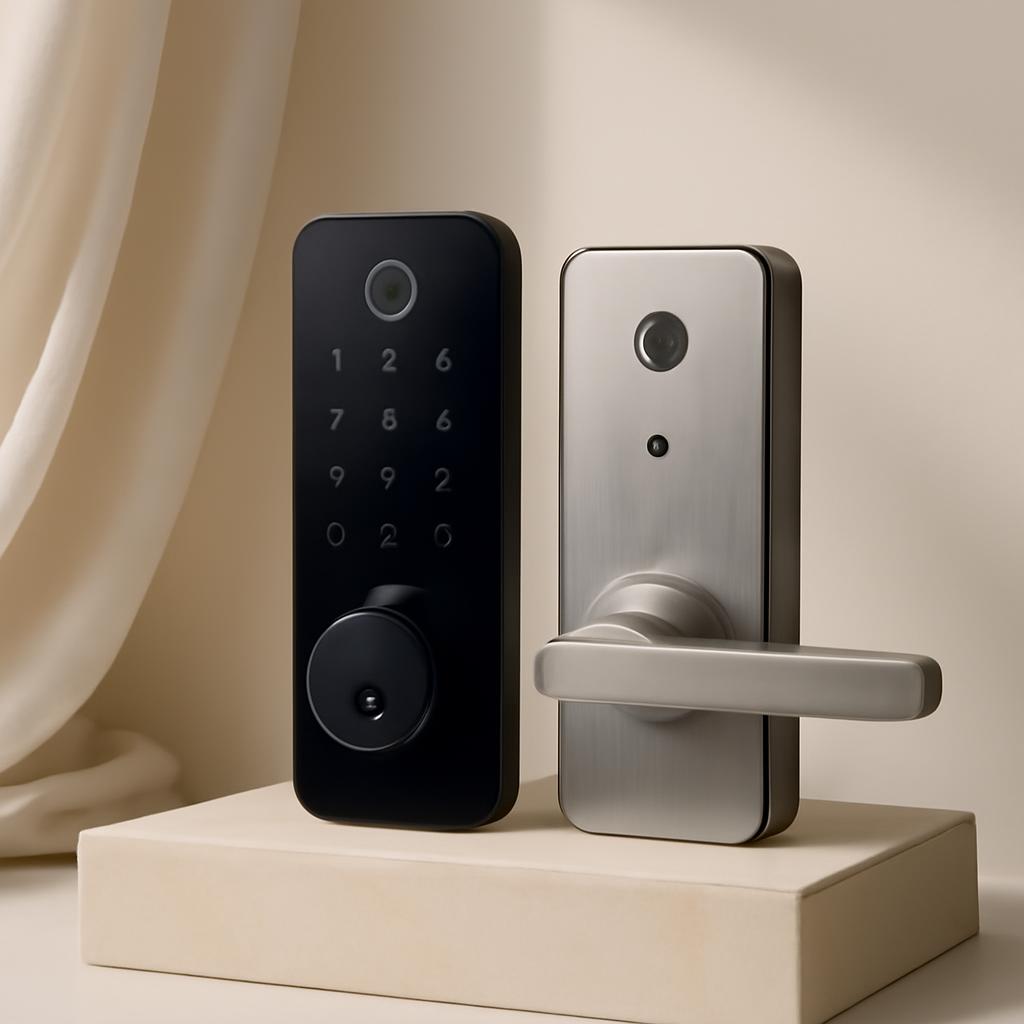
Deep Dive into Key Features and Expert Insights
What truly makes a smart lock stand out in 2026? According to Dr. Lisa Chen, an IoT security expert, “The best smart locks balance convenience with uncompromised security. Features like geofencing, encrypted communication, and multi-factor authentication are becoming industry standards.” Schlage Encode Plus exemplifies this balance, offering remote access, compatibility with Amazon Alexa, and robust encryption.
Statistics show that 52% of homeowners prefer smart locks with biometric options, such as fingerprint scanning (Euromonitor, 2024). For those seeking reliability, Yale Assure Lock 2 has earned accolades for its long battery life and support for Google Home and Samsung SmartThings ecosystems.
Other noteworthy options include Eufy Smart Lock C34, which provides affordability paired with smart app control, and Kwikset Halo Touch, praised for its intuitive design and easy installation.
Industry Standards and Best Practices
Compliance with industry standards is non-negotiable when choosing smart locks. Leading manufacturers adhere to certifications such as ISO 9001 and ISO 14001, ensuring product quality and environmental responsibility. Additionally, locks compatible with FCC regulations and featuring AES-128 encryption offer enhanced security against cyber threats.
For businesses, partnering with certified manufacturers like 7STAR ensures products meet global standards such as CE marking and GDPR compliance for data privacy.
Implementation Guide and Success Metrics
Implementing smart locks requires strategic planning. Begin by assessing compatibility with existing smart home systems. For example, homeowners using Amazon Echo devices should prioritize locks supporting Alexa integration. Secondly, factor in installation ease—statistics show that 39% of users abandon smart lock purchases due to complicated setups (Nielsen, 2024).
A practical example is Schlage’s Encode Plus, which boasts a plug-and-play design compatible with both iOS and Android devices. Businesses offering installation services can capitalize on this trend to boost customer satisfaction and loyalty.
Future Outlook and Strategic Recommendations
The future of smart locks will likely involve AI-driven personalization, predictive maintenance alerts, and deeper integration with smart home ecosystems. McKinsey forecasts a 24% CAGR in smart home AI adoption by 2028.
For manufacturers and distributors, aligning with innovative partners such as 7STAR—known for FDA-registered production facilities and low MOQs starting at 500 units—can help capitalize on this growth. By staying ahead of trends like biometric advancements and connected home systems, businesses can position themselves as leaders in the evolving smart lock market.
Frequently Asked Questions
What are the downsides of smart locks?
While smart locks offer convenience and enhanced security, they have potential drawbacks. For instance, reliance on battery power can lead to lockouts if not monitored. Additionally, cybersecurity risks may arise, requiring robust encryption protocols. A 2024 report by Grand View Research highlighted that 15% of users experienced issues with app connectivity. To mitigate these challenges, choose locks from reputable brands like Schlage or Yale, which prioritize reliability and security measures.
What is the best smart lock to buy?
The best smart lock depends on your specific needs. For Apple Home users, Schlage Encode Plus offers seamless integration and robust security features. Yale Assure Lock 2 is ideal for Google Home users, while Eufy Smart Lock C34 provides affordability. According to Wirecutter’s 2026 reviews, Schlage Encode Plus stands out for its reliability and ease of installation, making it a top choice for most homeowners.
Are smart locks more secure than deadbolts?
Smart locks often surpass traditional deadbolts in security, offering features like encrypted communication and biometric access. However, their security depends on robust software and hardware design. For example, locks with AES-128 encryption provide superior protection against hacking attempts. Regulatory compliance, such as FCC and GDPR standards, further enhances their reliability.
What smart locks do locksmiths recommend?
Locksmiths often recommend Schlage Encode Plus for its reliability and advanced features, including remote access and encrypted communication. Yale Assure Lock 2 is another popular recommendation due to its compatibility with multiple smart home systems. To ensure professional advice, consult a licensed locksmith to assess your specific security requirements.
What is the most reliable smart lock brand?
Schlage consistently ranks as one of the most reliable smart lock brands, offering products like Encode Plus that are known for durability and advanced security. Yale and Kwikset also maintain strong reputations, particularly for their broad compatibility with smart home systems. Reliability often stems from adherence to certifications such as ISO 9001 and rigorous product testing.
How do I choose the best smart lock for my home?
Start by identifying your specific needs—whether it’s integration with a smart home system, biometric access, or remote control. Consider trusted brands like Schlage, Yale, and Eufy, which offer a variety of options tailored to different budgets and requirements. Partnering with certified manufacturers like 7STAR can also ensure access to high-quality products backed by industry-leading expertise and certifications.